
A Royal Dessert: The Art of Making Perfect Rasmalai at Home
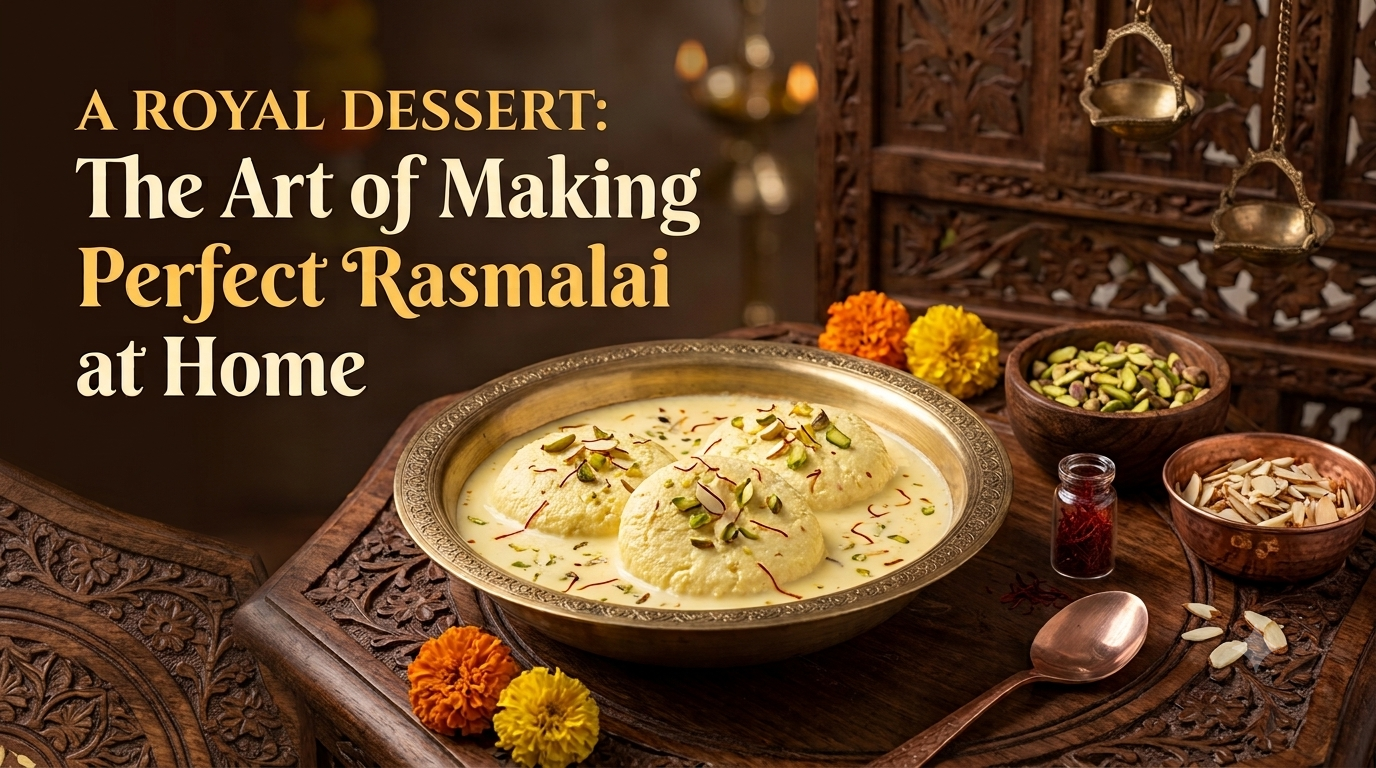
Rasmalai is a dessert that needs no introduction. It is a royal indulgence, a symphony of soft, spongy paneer dumplings luxuriating in sweet, creamy, saffron-fragrant milk. Often called the “king of Indian sweets,” its name itself is poetic—’Ras’ meaning juice and ‘Malai’ meaning cream. While it is a cherished feature of celebrations like Diwali, Dussehra, and weddings, making this melt-in-the-mouth delight at home is an achievable and rewarding culinary project. With the right ingredients and a little patience, you can create a Rasmalai that rivals the best sweet shops.
The Foundation: The Perfect Paneer (Chenna)
The heart of Rasmalai lies in the softness of the paneer balls, known as ‘chenna’. The best Rasmalai is made from fresh, homemade paneer, but you can also achieve excellent results using good-quality, soft store-bought paneer. The key is to ensure the paneer is fresh and not hard. For homemade chenna, you’ll need to curdle full-fat milk with lemon juice or vinegar, strain it, and then knead the resulting curds thoroughly until they are completely smooth. Proper kneading is crucial; it makes the paneer soft and free of cracks, allowing it to puff up beautifully when cooked.
Cooking the Paneer Discs in Sugar Syrup
Once your paneer dough is smooth, shape it into small, flat discs (pedas). These discs are then gently boiled in a sugar syrup. This step is where the magic happens. The paneer discs will absorb the syrup and double in size, becoming light and spongy. It’s essential to use a wide pan and not overcrowd it so the discs have room to expand. After cooking, they are gently pressed to remove excess syrup, a technique that helps them soak up the creamy milk later.
The Creamy Milk Base (Rabri)
While the paneer discs rest, you prepare the luxurious milk base, or ‘rabri’. This is made by simmering full-fat milk with sugar until it thickens and reduces to about three-quarters of its original volume. The flavor is then elevated with the warm notes of green cardamom powder and the beautiful aroma and golden hue of saffron strands. Chopped nuts like almonds and pistachios are also added, contributing texture and a festive look. The key to a rich rabri is patience—cooking it on a low flame to prevent burning.
Bringing It All Together
The final step is assembling the dessert. The cooked and gently squeezed paneer discs are arranged in a serving dish and then generously covered with the chilled, creamy rabri. To allow the flavors to meld and the paneer to absorb the creamy milk fully, it is essential to refrigerate the Rasmalai for at least 3 to 4 hours, or ideally overnight.
Tips for Rasmalai Perfection
- Use Full-Fat Milk: For the paneer and the rabri, full-cream milk is non-negotiable for the best taste and texture.
- Knead Well: The paneer must be kneaded until smooth and glossy. This prevents it from breaking apart in the syrup.
- Don’t Overcrowd: Give the paneer discs space in the sugar syrup so they can expand properly.
- Chill Well: Serve Rasmalai chilled for a refreshing and indulgent experience.